Description
Modular CPU Design via PCIe COM Express
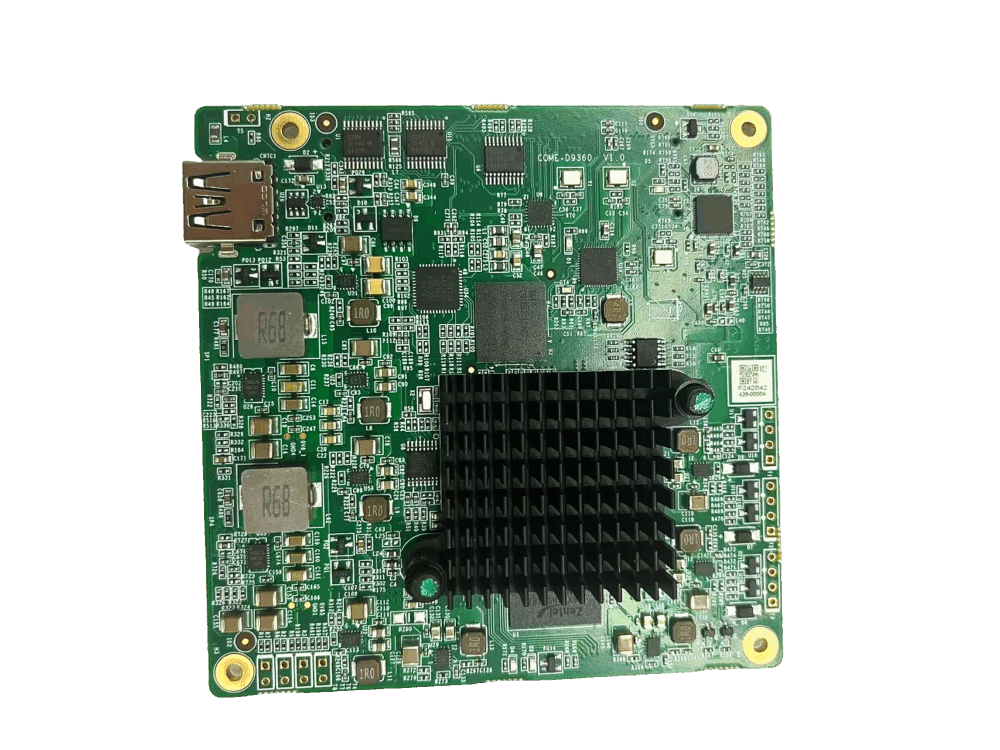
While some entry-level or access-layer switching chips feature integrated Arm CPUs, high-end performance often demands a more robust, external processing solution. To provide maximum hardware flexibility, we utilize a PCIe COM (Computer-on-Module) port design.
Decoupled Control and Data Plane Architecture
A primary advantage of our modular design is the physical and logical separation of the Management (Control) and Data Forwarding planes. This architecture is a hallmark of high-reliability networking, offering significant improvements in system stability and operational efficiency.
Key Advantages:
-
System Stability & Fault Isolation: Because the management CPU is decoupled from the switching chip, a software crash or high CPU utilization in the management plane will not interrupt the high-speed data forwarding in the switching plane. Traffic continues to flow even during management updates or reboots.
-
Scalability without Redesign: The PCIe COM (Computer-on-Module) port allows users to upgrade CPU, Flash, and DDR configurations independently. You can scale your processing power to meet evolving software demands without replacing the underlying motherboard.
-
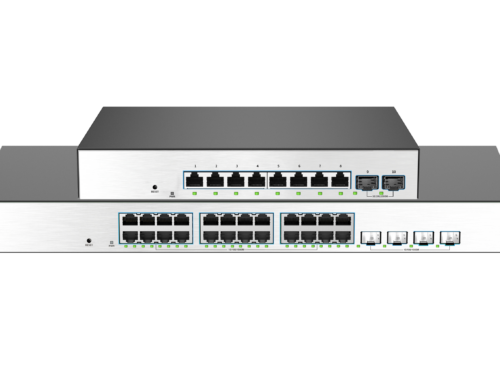
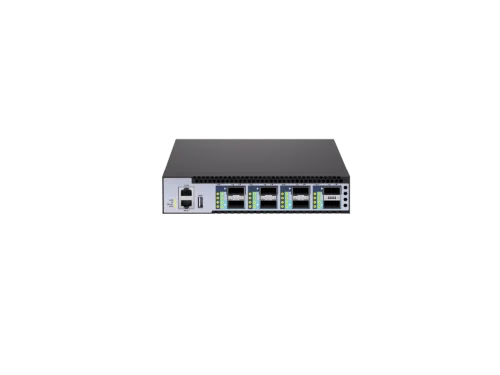
SONiC & NOS Optimization: Our S7, S8, and S9 series can be easily optimized for the SONiC operating system by simply swapping the COM module for a more powerful CPU. This allows for complex routing protocols and telemetry without bottlenecking the hardware.